
Choosing a Saltwater Pool: Expert Tips from a Pool Construction Company
An Informative Guide for Homeowners Deciding Between a Saltwater and Conventional Chlorine Pool
The Rising Appeal of Saltwater Pools
Saltwater pools have gained noticeable popularity among homeowners in recent years. Their reputation for comfort and reduced chemical exposure appeals to families looking for an alternative to traditional chlorine pools. But is a saltwater pool the right choice for your home? Before deciding, it’s important to understand how these systems work, consider their benefits and maintenance requirements, and determine how they compare to conventional pools.
How Saltwater Pools Work (It’s Not Like the Ocean!)
When people hear “saltwater pool,” they often imagine swimming in something like the ocean. In reality, saltwater pools use a much lower concentration of salt—usually about one-tenth of what you’ll find at the beach. The system involves a salt chlorinator, a device that converts dissolved salt into chlorine through a simple chemical process. This means your pool stays sanitized, but without the need to add chlorine manually on a regular basis. The water feels different from ocean water: it’s gentler, less salty, and doesn’t leave a sticky residue on your skin or swimwear.
Benefits: Softer Water and Less Irritation
One of the biggest advantages of a saltwater pool is the softer, silkier feel of the water. Traditional chlorine pools can sometimes leave swimmers with dry skin, red eyes, or a lingering chemical smell. In contrast, saltwater pools provide a more comfortable swimming experience. Many users report less irritation to their eyes and skin, making these pools especially attractive for families with children or individuals with sensitivities. The gentle water also means that swimwear and pool toys may last longer, as there’s less exposure to harsh chemicals.

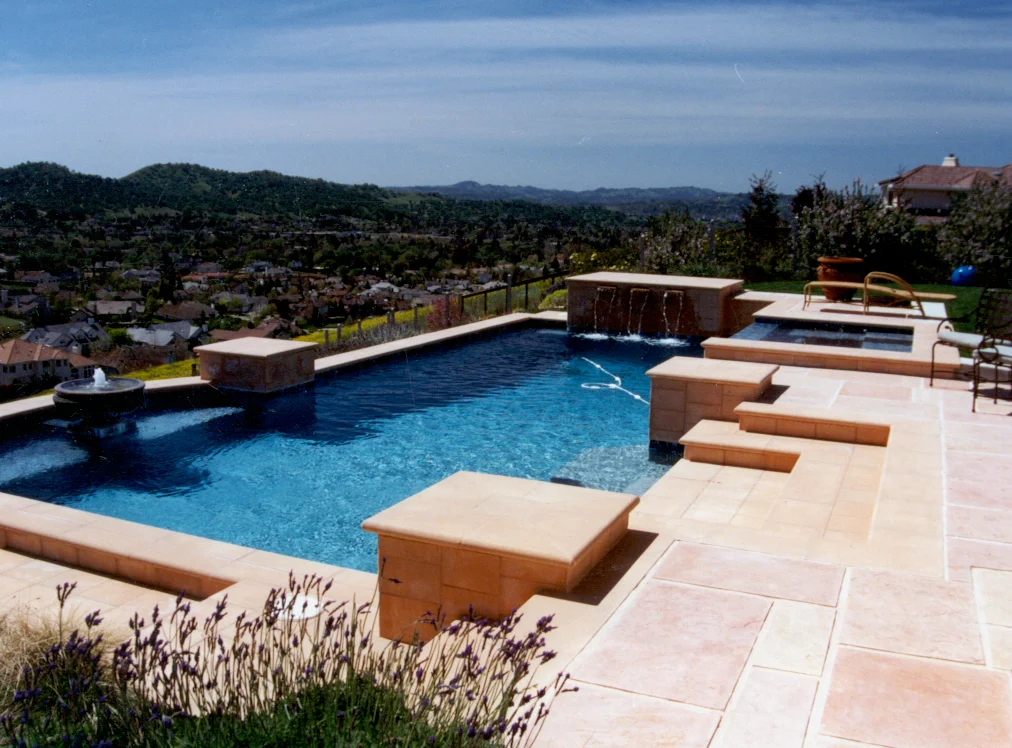
Saltwater versus Chlorine Pool Cost Difference
While saltwater pools offer several appealing benefits, the initial setup cost is higher than that of a traditional chlorine pool. You’ll need to purchase and install a salt chlorinator, which adds an additional expense to your pool project.
Maintenance Differences vs. Traditional Chlorine Pools
Saltwater pools are often marketed as “low maintenance,” but this doesn’t mean they’re maintenance-free. Instead of regularly adding chlorine, you’ll need to monitor the salt level and ensure the chlorinator is functioning properly. The pool’s pH levels and alkalinity should still be checked routinely, and the salt cell must be cleaned periodically to prevent buildup. Traditional chemical chlorine pools require more frequent chemical additions. Overall, the maintenance tasks differ, so it’s important to consider which routine better fits your lifestyle and comfort level.
Making the Right Decision for Your Family and Budget
Choosing between a saltwater and a traditional chlorine pool depends on your family’s needs, preferences, and budget. If you prioritize comfort, softer water, and less chemical exposure, a saltwater pool could be the right fit. However, if upfront costs or concerns about service routines are top priorities, you may prefer sticking with a traditional chemical chlorinated pool. Consulting with our swimming pool contractors at Hawkins Pools and talking to other homeowners can also provide helpful insights for your decision-making process.
Hawkins Pools Can Walk You Through the Decision Process
Saltwater pools offer a unique swimming experience, combining comfort with reduced chemical irritation. However, they come with higher initial cost and potentially additional maintenance. By understanding how saltwater systems work and comparing them to traditional chlorine pools, you can make an informed choice that matches your family’s needs and budget.
Contact Us

(925) 886-1300
80 S. Buchanan Circle
Pacheco, CA 94553