
Pavers vs. Stamped Concrete: Which is Best for Your Pool Deck
Pool deck material: Pavers vs. Stamped Concrete
Choosing the right material for your pool deck is a crucial decision that impacts not only the look of your outdoor space, but also its safety, durability, and maintenance needs. In California, where weather conditions can vary from months of sunshine to heavy rains, homeowners must weigh their options carefully. Two of the most popular choices are pavers and stamped concrete, each offering unique benefits and challenges. In this blog, your Bay Area swimming pool contractor helps you compare these materials across four key areas: durability, safety, maintenance, and aesthetics, so you can make the best choice for your pool deck.
Comparing Durability: How California Weather Affects Concrete vs. Pavers
California’s climate presents unique challenges for pool deck materials. Stamped concrete, while initially strong, can be susceptible to cracking due to temperature fluctuations, ground movement, and exposure to intense sunlight. Over time, UV rays may cause fading and surface deterioration, especially if the deck isn’t regularly sealed. Heavy rains and moisture can also lead to erosion and further cracking. Pavers, on the other hand, are designed to flex and move with the ground, making them more resilient to shifting soils. Individual pavers rarely crack, and if they do, they can be replaced without disturbing the rest of the deck. Their durability in the face of weather extremes makes paver installation services a preferred choice for many homeowners seeking longevity and reliability.
Safety First: Slip Resistance for Poolside Areas
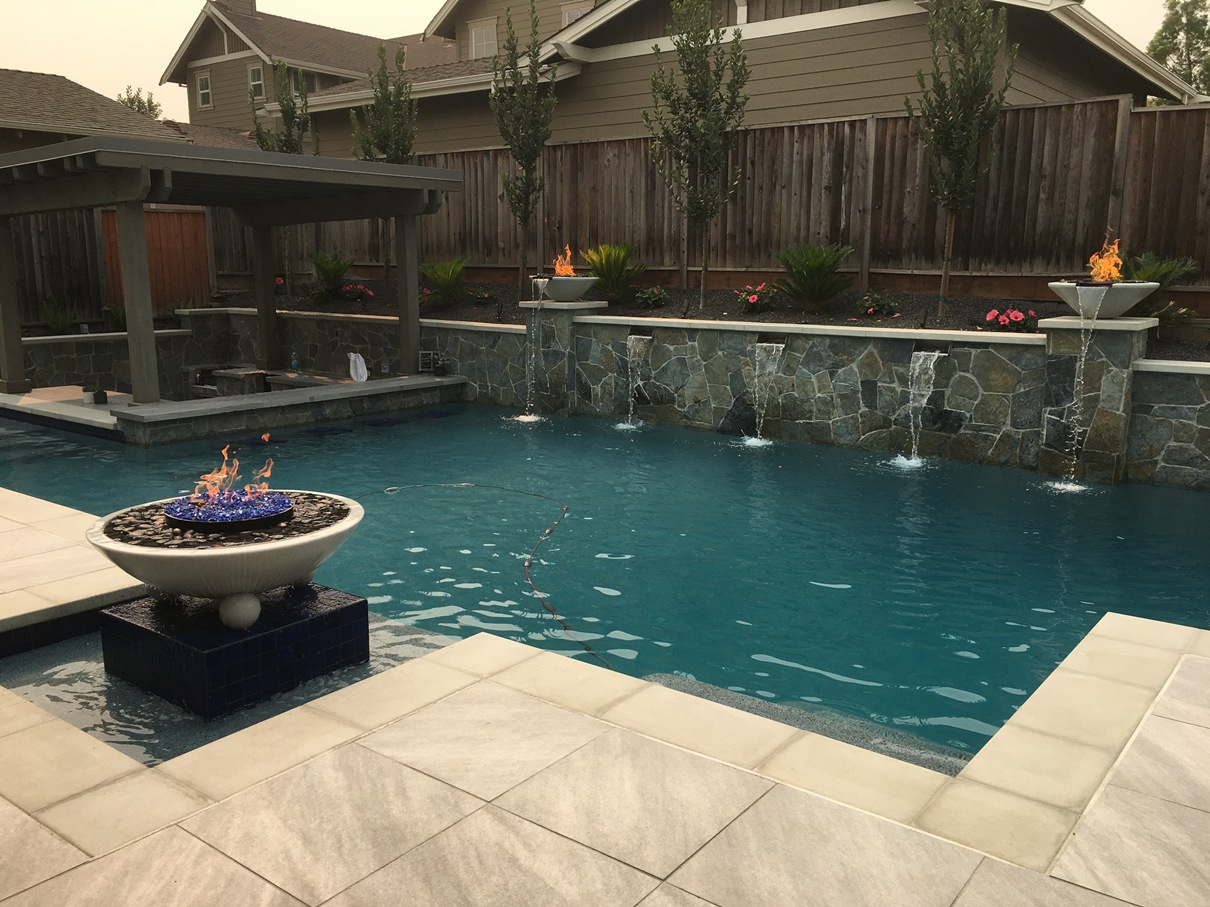
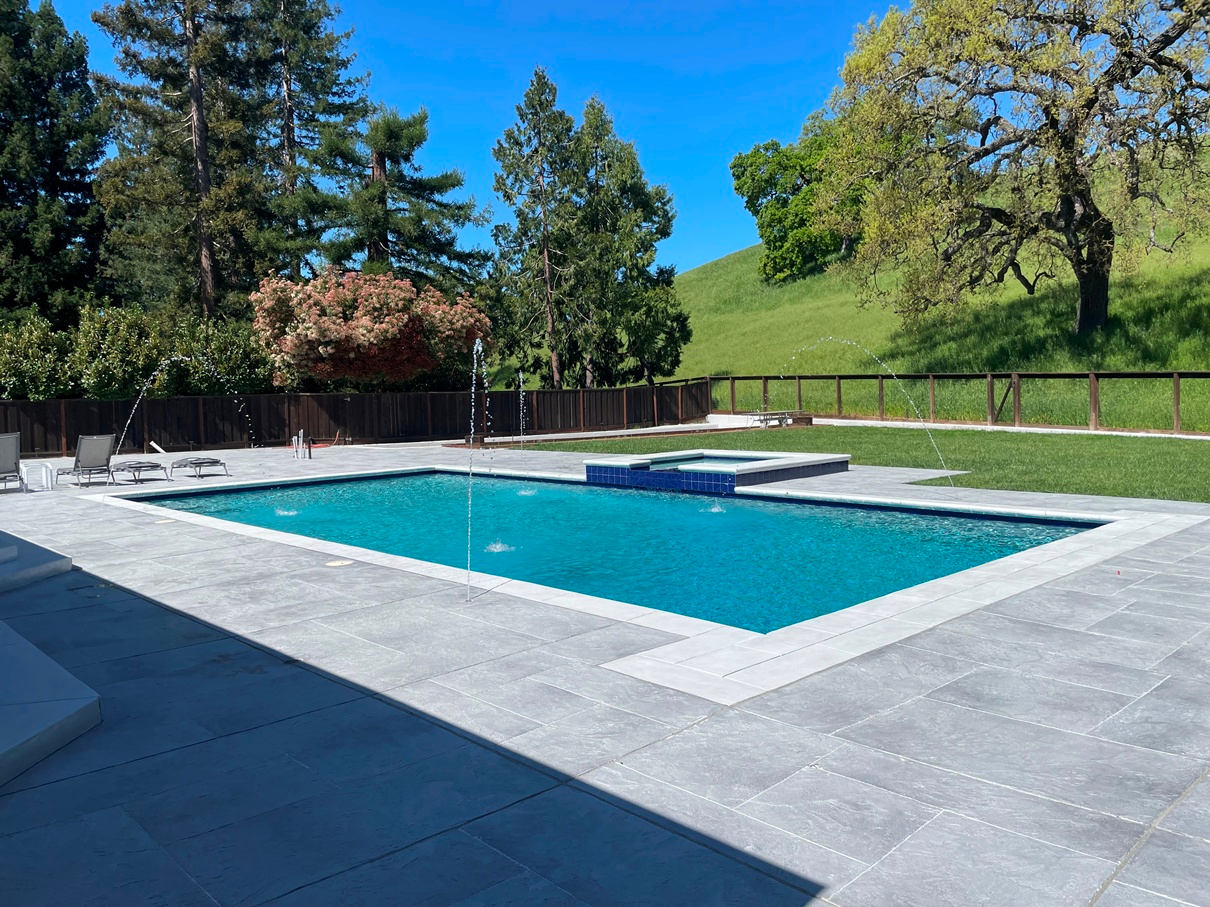
Safety is paramount around any pool, and slip resistance is a critical factor to consider. Stamped concrete can be finished with a non-slip additive or brushed during installation to provide a rougher surface for more traction, but its surface may still become slick when wet, especially if a glossy sealer is used. Over time, wear and tear can reduce its slip resistance. Pavers, by contrast, can feature textured surfaces and have joint lines that provide natural traction, even when wet. Their modular design allows water to drain more efficiently, reducing puddling and the likelihood of slips.
Repair and Maintenance: The Ease of Swapping Pavers vs. Patching Cracks
Maintenance is an ongoing concern for any pool deck. Stamped concrete, while relatively low-maintenance at first, can develop cracks and chips over time. Repairing these imperfections often involves patching, which may not perfectly match the original color or pattern, leaving visible marks. In some cases, larger cracks require professional repairs or resurfacing. Pavers, however, offer a straightforward solution: if a paver becomes damaged or stained, it can be removed and replaced individually, with no need to disturb the surrounding area. Routine maintenance for pavers typically involves sweeping, occasional power washing, and replenishing joint sand. This ease of repair and maintenance makes pavers a practical and long-term cost-effective option for busy homeowners.
Aesthetic Appeal: Design Patterns and Resale Value
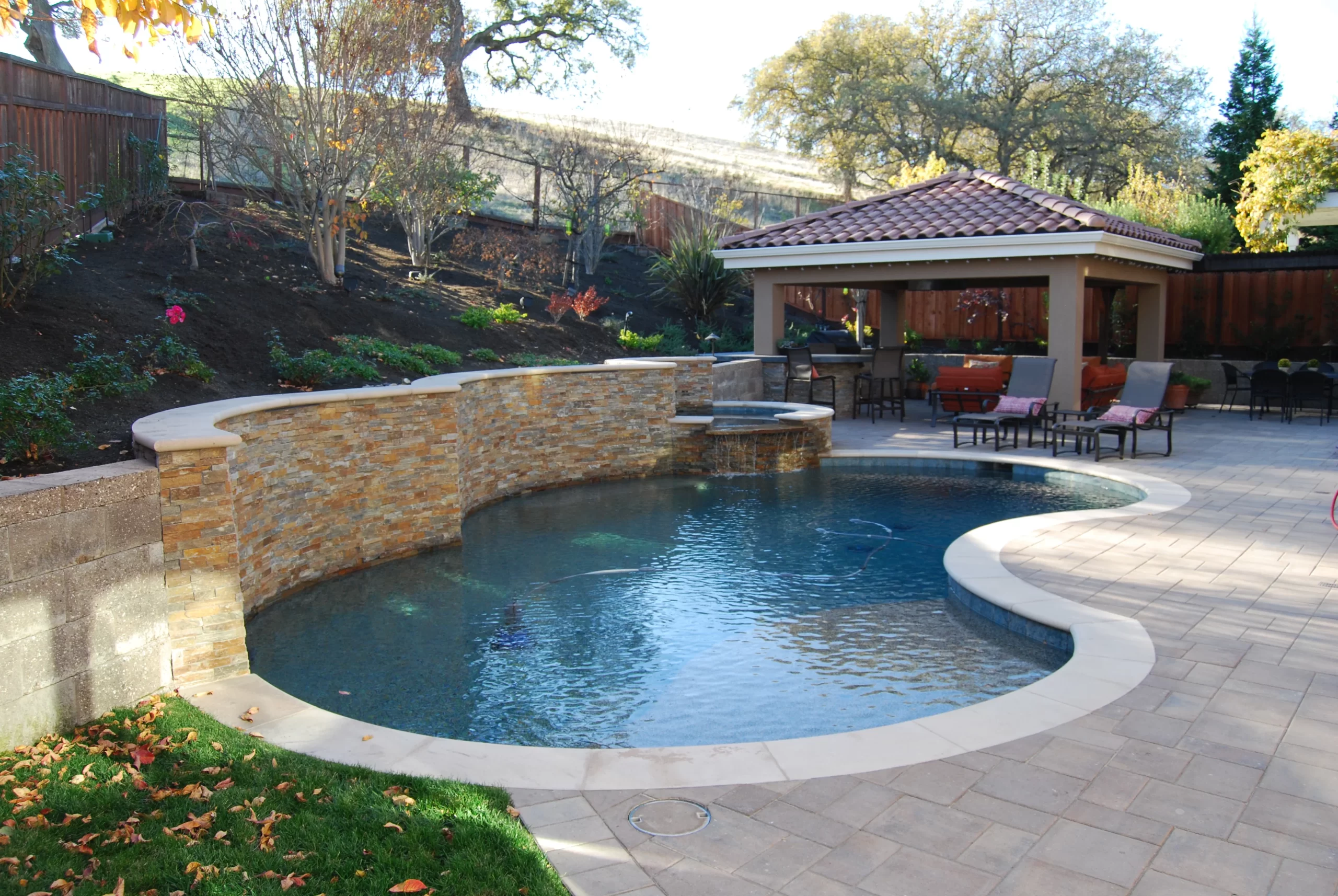
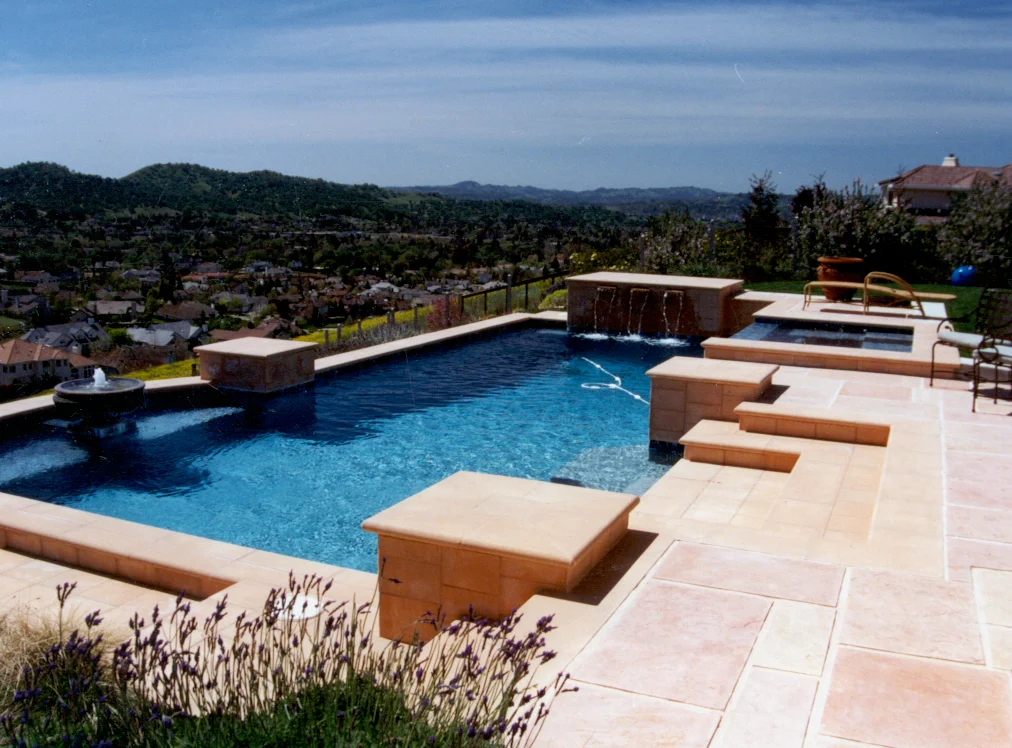
When it comes to aesthetics, both stamped concrete and pavers offer a range of design possibilities. Stamped concrete can mimic the look of stone, brick, or tile, and is available in various colors and patterns. However, its appearance may fade over time, especially in harsh sunlight, and repairs can disrupt the visual continuity. Pavers come in a wide array of shapes, colors, and textures, allowing for creative layouts and custom designs. Their color tends to be more consistent and long-lasting, and repairs are virtually invisible. From a resale perspective, pavers are often seen as a premium upgrade, enhancing curb appeal and property value. Homebuyers appreciate the durability and visual appeal of pavers, making them a smart investment for those looking to maximize their home’s market potential.
Installation and Long-Term Costs: Upfront Savings vs. Lifetime Value
Cost is often a deciding factor when choosing a pool deck material, and the difference between upfront and long-term expenses is important to understand. Stamped concrete typically has a lower initial installation cost because it uses fewer materials and requires less labor than installing individual pavers. This can make it appealing for homeowners working within a tighter upfront budget. However, over time, maintenance costs can add up due to the need for periodic sealing, potential crack repairs, and resurfacing to address fading or wear. Pavers usually require a higher initial investment because of the labor-intensive installation process and material costs, but they tend to be more cost-effective in the long run. Ongoing maintenance is minimal, and repairs are localized and inexpensive since individual pavers can be replaced without redoing the entire surface. When viewed over the lifespan of a pool deck, pavers often provide better overall value despite the higher upfront installation cost.
Contact a reputable swimming pool contractor to discuss pool deck options that meet your design and budget needs!
Both stamped concrete and pavers have their merits, but pavers consistently outperform in durability, safety, maintenance, and aesthetic appeal—especially in California’s demanding climate. While stamped concrete may offer a lower upfront cost and attractive designs, its susceptibility to cracking, discoloration, and fading can lead to higher long-term expenses. While paver installation services have a higher upfront cost, they provide a flexible, safe, and visually appealing solution that stands the test of time and adds value to your home. Hawkins Pools can help you make the right decision for your dream project!
Contact Us

(925) 886-1300
80 S. Buchanan Circle
Pacheco, CA 94553